

Alerts & What’s Trending
Are Foodservice Rebates Quietly Hurting Your Margins?
Are Small Food Cost Gaps Hurting Your Bottom Line?
5 Hidden Foodservice Costs That Could Be Hurting Your Margins
Poultry
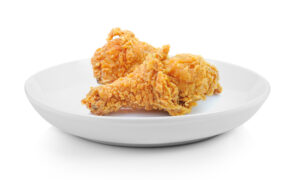
Chicken fundamentals were mixed last week, but production trends continue to point to a tighter near-term supply picture. Young bird slaughter rose 2.5% week over week, though it was still 1% below last year, and chicken production for the week ending September 19 came in 6% below a year ago. While year-to-date chicken output remains 1.6% above 2025, recent chick placement and broiler egg set data suggest producers are slowing expansion. On the pricing side, most chicken markets were fairly steady, but boneless skinless thighs climbed more than 3% and continue to trade at unusually strong premiums versus breasts and tenders.
Outlook: Seasonal declines are still possible, but tighter production and rising feed costs should help keep downside in check over the next several weeks.
Beef
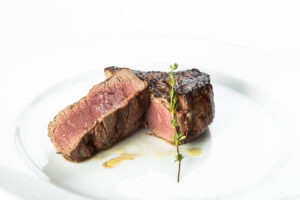
Beef production took a sharp step lower last week, falling 8.4% from the prior week and landing 12.5% below last year, as ICE-related disruptions in Kansas impacted plants representing nearly 20% of processing capacity. Boxed beef values were mixed, with both Choice and Select cutouts higher and roughly in line with year-ago levels. The bigger long-term story remains supply: September 1 cattle on feed was up 0.8% year over year, but August placements were down 9.2%, marking the smallest August placement figure in at least three decades. Imports from Mexico have resumed and could help modestly, but with only two ports open, the impact is expected to remain limited.
Outlook: Beef availability may improve quarter to quarter, but overall supplies are still expected to remain tighter than last year, keeping the market fundamentally supported.
Pork
Pork production improved last week, up 3% from the previous week and 0.1% above last year, although year-to-date output is still 0.1% below 2025. Even with that short-term bump, hog supplies remain limited, and the latest USDA Hogs and Pigs report reinforced that trend: the total herd was down 1.5% year over year, the breeding herd was down 1.5%, sows farrowing were down 2.7%, and the pig crop was down 1.5%. On the price side, the USDA pork cutout fell to its lowest level in more than two years, with picnics, ribs, loins, and butts all lower, while bellies and hams posted gains. Pork trim stayed mostly flat to firm but remains roughly 30% below last year.
Outlook: Limited hog supplies should help put a floor under the market and may temper the usual seasonal softness heading into fall.
Produce
Lettuce led the produce complex last week, with 24-count iceberg surging another 34.2% week over week to a 12-week high, signaling that the seasonal late-year rally may be arriving earlier than usual. Tomatoes look poised for a similar move even though they were flat last week, with 25-lb. large romas potentially climbing toward $30 per carton by the end of November. Avocados were steadier by comparison, as 48-count Hass prices ended a six-week slide with a modest bounce and are now back in the more typical $20–$30 per carton range.
Outlook: Expect more upside in lettuce and tomatoes through mid-to-late fall, while avocados should remain relatively stable into early 2027.
Dairy
Dairy markets were mostly firmer last week, although trading activity remained light, with just 24 CME spot loads changing hands on Friday. Cheese blocks were the main exception, slipping to their lowest level in more than nine months, while nonfat dry milk climbed to its highest point since late May. Butter has also found support from tighter supplies and solid domestic and export demand. On the production side, milk output in August was up 1.7% from last year, and the milk cow herd was also 1.7% larger, reaching its biggest size in more than three decades. Even so, milk per cow was flat versus 2025, suggesting efficiency gains may be slowing as low milk prices and higher feed costs pressure producers.
Outlook: Dairy supplies remain ample overall, but softer producer margins and rising feed costs could limit further growth and keep most markets from breaking sharply lower.
Grains
Grain markets were broadly weaker last week, with soybean meal standing out as the only major market to finish higher week over week. Much of the pressure came in the second half of the week, led by wheat, after renewed international discussions around restoring Black Sea trade weighed on prices. December Chicago wheat had appeared ready to stabilize near $7, but instead broke below that technical support level. At the same time, U.S. wheat exports have not yet seen a meaningful bump from Black Sea disruptions, leaving the market without a strong bullish catalyst.
Outlook: Wheat could find some footing if Black Sea uncertainty persists, but without stronger export demand, upside potential looks limited in the near term.
Seafood
Seafood pricing was relatively quiet overall, but frozen cod filet stood out with a 5.3% month-over-month decline in July, ending a four-month rally. Even with that drop, cod had previously surged nearly 52% over those four months, setting new all-time highs along the way. Import volumes have remained below normal since last September, so while the July pullback was encouraging, supply remains constrained and prices are still elevated compared with typical seasonal levels.
Outlook: Cod prices may ease further if demand softens, but constrained imports are likely to keep the market elevated through year-end and into early 2027.