


Alerts & What’s Trending
The Numbers Usually Tell the Story Before Margins Do
And Disconnected Systems Only Make Visibility Harder
Meanwhile, Operators Are Spending More Without Getting More Product

Produce
Produce volatility remained concentrated in lettuce, onions, and tomatoes last week. Onion markets appear to be approaching a seasonal ceiling earlier than anticipated as demand softens and supplies gradually improve. Iceberg lettuce remains elevated with limited near-term relief expected, while tomato pricing continued climbing despite early indications of improving availability.
Outlook: Produce markets may begin normalizing later in May, but procurement teams should continue monitoring regional supply transitions closely as weather and seasonal shifts continue influencing volatility across key categories.

Grains
Corn, soybean, and wheat futures all reversed sharply lower last week as geopolitical fertilizer concerns eased. Wheat markets were particularly notable, declining despite ongoing expectations for lower yields and elevated abandonment rates across Kansas HRW production areas. Market participants now appear focused on whether recent supply concerns have already been sufficiently priced into the market ahead of this week’s Kansas Wheat Tour.
Outlook: Grain markets remain highly headline-sensitive. Wheat could quickly regain momentum if crop tour results confirm further production deterioration, while broader grain direction will continue tracking geopolitical developments and planting progress.

Dairy
Most CME dairy markets softened modestly last week, led by butter, while nonfat dry milk continued strengthening despite deteriorating export fundamentals. March nonfat dry milk exports declined nearly 8% year-over-year, marking the weakest March shipment volume since 2017, even as domestic premiums over global pricing reached record highs. Current export data likely reflects pre-rally purchasing behavior, suggesting weaker forward demand could emerge during the summer months.
Outlook: Nonfat dry milk markets may face increased downside risk if export demand continues slowing against elevated domestic pricing levels. Broader dairy markets should remain relatively balanced near term, though volatility risks remain elevated.
Beef
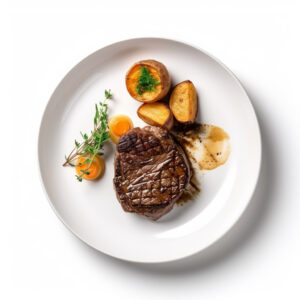
Beef production remains structurally constrained as cattle availability and packer margins continue pressuring throughput. Last week’s production fell 3% year-over-year, with year-to-date beef output now tracking 6.9% below 2025 levels while cattle slaughter remains down 9.4%. Despite tighter domestic production, boxed beef values strengthened again, led by loin, rib, and flank primals as grilling demand accelerated. Choice cutouts are now averaging 12.8% above last year while Select is up 17%. Trim markets remain especially aggressive, with both 90’s and 85’s establishing new record-high weekly averages. March import data also highlighted a major structural shift, with U.S. beef imports surging 19% year-over-year to a monthly record while exports fell 20%, making the U.S. a net beef importer by nearly 300 million pounds.
Outlook: Beef volatility remains elevated heading into peak grilling season. Imported lean beef should continue supporting ground beef availability, but premium muscle cuts and trim markets are likely to remain structurally firm until domestic cattle supplies recover.

Pork
Pork production improved modestly last week, rising 2.2% year-over-year, while year-to-date output remains effectively flat despite slightly lower hog slaughter levels. Pork belly markets experienced the largest movement, now trading nearly 14% below last year, which heavily pressured the overall pork cutout average. In contrast, ribs and butts posted notable weekly gains tied to seasonal grilling demand. USDA production projections suggest Q2 supply declines may be less severe than historical norms, which historically correlates with more muted seasonal cutout appreciation.
Outlook: Seasonal pork strength should still develop through summer, but relatively stable production levels may cap upside risk compared to prior years. Belly markets may offer strategic buying opportunities if current discounts persist.

Seafood
March import data revealed another major spike in frozen cod pricing, with average import values surging 24% month-over-month and establishing new all-time highs. Tight import volumes continue driving elevated pricing across the cod market despite some easing trends during late 2025. Seasonal import improvements are still expected beginning in May, which could gradually relieve pricing pressure later this year.
Outlook: Cod markets may remain elevated through the near term, but improving import flows later this spring and summer could support gradual market normalization during the second half of 2026.
Poultry
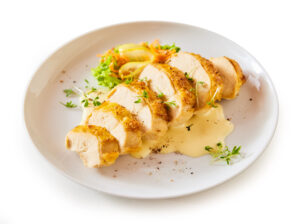
Chicken fundamentals remain heavily supply-driven as production continues accelerating beyond prior expectations. Young bird slaughter increased 2.1% year-over-year last week, continuing to pressure breast meat and wing pricing lower despite seasonal demand trends. Meanwhile, boneless skinless thigh pricing continues holding a historically wide premium over breasts, signaling a potential disconnect between dark meat demand and broader commodity softness. Egg markets also continued collapsing, with wholesale large eggs now sitting below $0.50/dozen after peaking near historic highs last year. Strong earnings from major producers like Tyson Foods and Pilgrim’s Pride continue reinforcing expectations for additional production expansion into Q3 and Q4 2026.
Outlook: Procurement teams should continue expecting favorable conditions across most chicken categories near term as aggressive production growth offsets seasonal demand strength. However, turkey breast markets and dark meat categories may continue diverging from broader poultry trends.