

Alerts & What’s Trending
Build a Supply Chain That Bends, Not Breaks
The Spend You Can’t See Is Costing You
Stop Buying Blind and Start Buying Smarter
Poultry
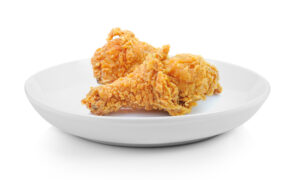
Chicken production was mixed around the Labor Day holiday, with output for the week ending September 5 up 1.8% from the prior week and well above the same holiday-impacted week last year. Even with year-to-date production running more than 2% above 2025, several key chicken cuts remained buyer-friendly: breasts, tenders, and wings are all at least 26% below year-ago levels. Markets were mixed overall, with breasts, wings, leg quarters, and WOGS lower, tenders flat, and thighs higher, while rising feed costs continue to pressure producer margins.
Outlook: Slowing supply growth and weak producer margins should help support chicken pricing into winter, especially as seasonal demand improves.
Beef
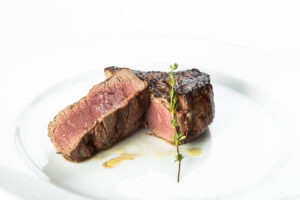
Beef production last week fell 3.8% from the prior week and 10.8% from a year ago, largely due to the holiday. The USDA Choice cutout moved higher, while Select edged lower, and trim markets were mostly soft, with 50% beef trim at its lowest level in 20 months. Longer term, herd rebuilding remains difficult because pasture conditions are extremely poor, though continued cattle imports from Mexico could help improve supply next year.
Outlook: Beef markets should stay tight near term, but sustained imports from Mexico could modestly ease supply pressure in 2027.
Pork
Pork production slipped 0.7% week over week and was 10.1% below last year’s level, while 2026 year-to-date output is only 0.1% above a year ago. Despite lighter production, the USDA pork cutout fell more than 3% on the week, driven mostly by an 18% drop in the belly primal, and the overall cutout sits 19.9% below the same week last year. Trim remains a notable value area for foodservice, with a typical 70% pork blend near some of its lowest prices in more than two years.
Outlook: Pork pricing, especially trim, may face additional downside this fall as seasonal weakness and soft belly values continue to weigh on the market.
Produce
Produce was relatively quiet last week, with no major swings across the largest tracked categories. 48-count Hass avocados declined for a fifth straight week, while 25 lb. large roma tomatoes and 24-count iceberg lettuce both extended recent gains, though at a slower pace. Yellow and white onions may soften moderately into November, while red onions are expected to stay fairly stable through year-end.
Outlook: Expect mostly steady produce markets near term, with avocados remaining under pressure and tomatoes and lettuce likely trending higher into early November.
Dairy
Spot dairy trading was light, with only 16 CME loads changing hands on Friday, and the week ended lower for cheese blocks, barrels, and butter, with butter nearing five-year lows. On the other hand, whey and nonfat dry milk moved higher, with nonfat dry milk near three-month highs, supported in part by firmer international skim milk powder prices. Export demand remains a bright spot: in July, U.S. butter exports were up 2.4% year over year and cheese exports jumped 25%, both strong results even as domestic production keeps prices relatively low.
Outlook: Dairy prices may remain mixed, with export strength supporting powders and cheese while ample domestic milk and cheese supplies keep a lid on broader upside.
Grains
Grain markets had another weak week, with Friday volatility shaping most of the losses. Corn softened after the USDA’s production forecast came in close to expectations, but a 236 million bushel cut on the supply side still pushed the U.S. stocks-to-use ratio below 10% for the first time in four years, if realized. Even so, December corn may remain vulnerable near term after its sharp August rally left little technical support just below current levels.
Outlook: Grain prices could stay choppy in the near term, but tight domestic and global balance sheets should limit how far corn falls.
Seafood
Fresh yellowfin tuna was the standout mover in seafood, rising 11.3% month over month in July and sitting 16.2% above year-ago levels. After weakening more than expected from March through May, yellowfin recovered quickly over the last two months and may be in position to post a new year-to-date high in August data. In the spot market, though, pricing may begin to level off before the usual run-up into the new year.
Outlook: Yellowfin tuna prices may stabilize through the rest of 2026 before seasonal upward pressure returns heading into early 2027.