

Alerts & What’s Trending
The Procurement KPIs Every Foodservice Operation Should Actually Be Tracking
Don’t Let Auto-Renewal Clauses Cost You: The Foodservice Contract Checklist
Foodservice RFPs Made Simple: How to Choose the Right Partner with Confidence
Poultry
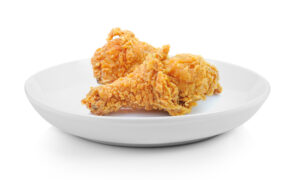
Chicken production remains above last year, even as suppliers appear to be trying to slow output growth to support pricing. Young chicken slaughter was up 0.3% week over week and well above last year’s holiday-affected levels, while year-to-date slaughter is running 2.3% ahead of 2025. Even so, most chicken markets moved lower last week, including a 4% drop in wings, and chicken tenders fell to a 43-month low. On the supply side, the August 1 broiler layer inventory was 1.5% above last year, and pounds produced per layer are averaging 4.4% higher year over year, a record pace.
Outlook: Chicken prices may stay mixed near term, but unless breeder inventories start to shrink, the recent production slowdown could prove temporary and keep a lid on major price increases.
Beef
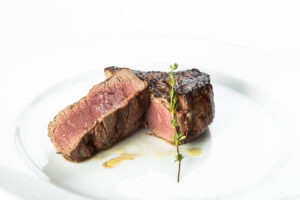
Beef production improved from the prior week but remains well below last year overall. Last week’s output rose 3.7% from the previous week, but was still 3.1% lower than the same week last year, and year-to-date production is down 5.4% due to a 7.9% decline in cattle slaughter. Boxed beef values were weaker across most categories, with briskets, flanks, and plates leading the declines, while only rib primals moved higher. A key longer-term development is the reopening of cattle imports from Mexico, which resumed on August 24, with two major ports historically accounting for 63% of those imports.
Outlook: Beef supplies should gradually improve later this year as Mexican cattle move back into feedlots and eventually slaughter channels, but near-term availability is still relatively tight.
Pork
Pork production continues to edge higher, but demand-side weakness is pressuring the market. Last week’s output rose 0.2% from the previous week and was 0.5% above last year, with year-to-date production now 0.4% higher than 2025 despite a 0.7% drop in hog slaughter. The USDA pork cutout fell 1.6% to its lowest level since February, and pork bellies dropped nearly 6% in one week. Seasonally, September tends to be a softer month for pork, with the pork cutout averaging lower than August in 9 of the last 11 years.
Outlook: Pork prices are likely to remain under pressure through September, especially for bellies and trim, even with only modest supply growth.
Produce
Produce trends were similar to the prior week, with avocados easing while lettuce and tomatoes moved higher. 48-count Hass avocados fell to a four-month low and are now tracking close to year-ago levels after giving back their late-May gains. Meanwhile, 25 lb. large roma tomatoes increased for a third straight week and reached a 14-week high, supported in part by heavy rainfall in key eastern U.S. growing areas.
Outlook: Avocados may be close to stabilizing at relatively low seasonal levels, while tomatoes still appear to have room to move higher into the fall.
Dairy
Dairy markets were mixed last week, with butter and cheese lower while nonfat dry milk and whey moved higher. Butter is now at its lowest price in more than seven months, and cheese blocks are at a nine-week low, even though underlying production remains strong. July butter output was up 5.5% year over year and set a record for the month, while cheese production increased 2.1% from 2025, also a July record. At the same time, international skim milk powder values are rising, with European prices nearing four-year highs.
Outlook: Cheese and butter may remain competitively priced in the near term thanks to strong production, though global dairy strength could help support milk powder markets.
Grains
The grain rally paused last week as wheat pulled back and weighed on corn and soybeans as well. Corn heads into a critical week ahead of the USDA’s September Crop Production and WASDE reports, with the market watching closely to see whether national yields come in below the USDA’s August estimates. Domestic and global corn balance sheets are already considered tight, so any meaningful cut to production could quickly shift sentiment back upward.
Outlook: Grain markets—especially corn—could turn more volatile and potentially move higher if upcoming USDA data confirms smaller crop expectations.
Seafood
Frozen Alaskan pollock filets continued to follow cod higher, with June data showing a 3.8% month-over-month increase, after cod rose 5%. Pollock has been on a steady uptrend since February, even though import volumes did not fall below normal until June, when they essentially flatlined rather than following their typical seasonal climb. While the market may not have much room left for sharp additional gains, supply normalization is not expected until 2027.
Outlook: Pollock prices may stay elevated through the fall, with limited downside expected before November even if the sharpest upside appears to be behind us.