
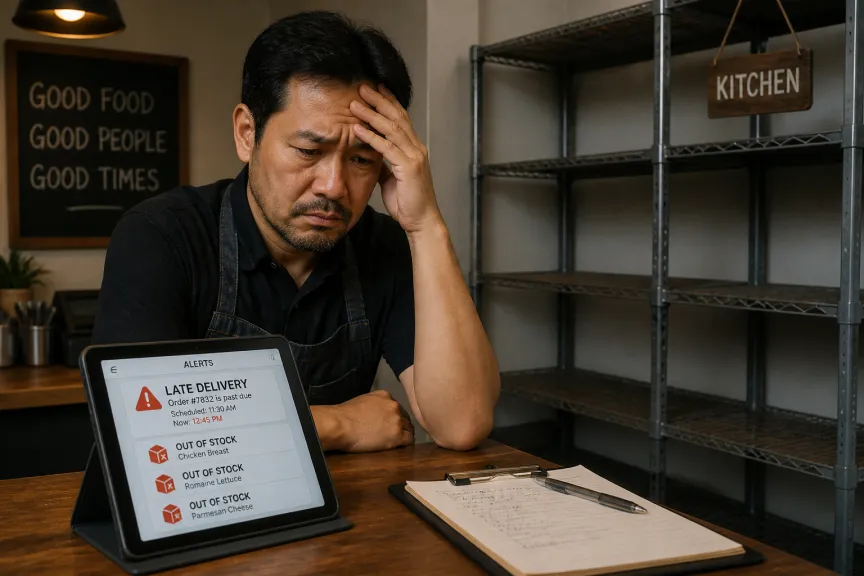
Ask any hospitality procurement leader where margin leaks happen, and vendor management usually enters the conversation pretty quickly.
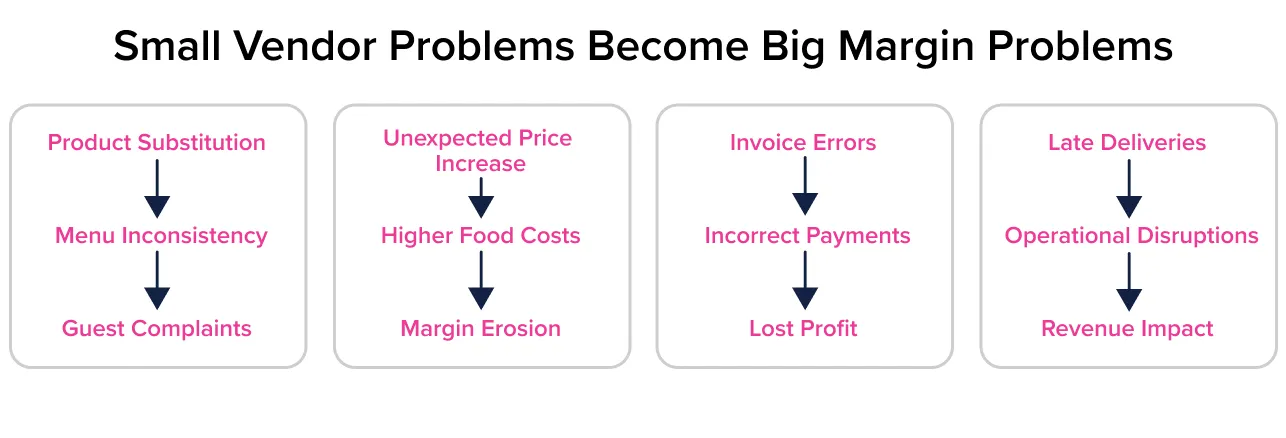
One distributor starts substituting products more frequently. A contracted item suddenly costs more than expected. Invoice discrepancies slip through unnoticed. Before long, small issues that seemed insignificant at the unit level begin showing up in food costs, guest experience, and overall profitability.
The reality is that most large hospitality organizations aren’t managing a handful of supplier relationships. They’re coordinating purchases across broadline distributors, produce vendors, beverage suppliers, specialty food companies, direct-store-delivery partners, and local suppliers, often across dozens or even hundreds of locations.
That’s a lot of moving pieces.
The challenge isn’t finding vendors. It’s making sure those vendors consistently deliver the products, pricing, service levels, and quality standards your operation depends on.
Most hospitality teams don’t struggle to find suppliers. The harder part is making sure those suppliers actually perform the way they said they would. It’s one thing to sign an agreement. It’s another to make sure pricing holds, deliveries stay on track, substitutions don’t pile up, and product quality stays consistent from one location to the next.
Strong vendor management creates accountability on both sides of the relationship. It helps hospitality organizations understand where they’re spending money, whether contract pricing is being honored, how distributors are performing, and where opportunities exist to improve purchasing results.
When vendor management is working the way it should, there’s a lot less guesswork. Procurement leaders can see where dollars are going, catch pricing issues faster, measure distributor performance more clearly, and have better conversations with suppliers. It creates accountability for everyone involved and gives operators more control over purchasing outcomes.
In this guide, we’ll break down what vendor management looks like in modern hospitality operations, why it matters, and the processes leading organizations use to strengthen supplier performance while maintaining control over foodservice spend.
In this guide, we’ll walk through what vendor management actually looks like in hospitality today, why it plays such a big role in cost control, and which processes help leading organizations keep supplier performance in check without losing sight of overall foodservice spend.
What Is Vendor Management in the Hospitality Industry?
Vendor management is the process of selecting, onboarding, managing, evaluating, and optimizing relationships with the suppliers and distributors that support hospitality operations.
At a basic level, vendor management is how hospitality organizations choose suppliers, bring them into the business, manage the relationship, track performance, and make adjustments over time. It covers the full lifecycle, not just the initial sourcing decision.
In foodservice environments, vendor management extends far beyond purchasing products. It includes contract negotiations, pricing oversight, invoice management, distributor performance tracking, food-safety compliance, rebate administration, and supplier relationship management.
In foodservice, that means much more than placing orders. It includes negotiating contracts, keeping an eye on pricing, reviewing invoices, monitoring distributor performance, managing compliance requirements, and making sure rebate programs and supplier relationships are working the way they should.
The goal is simple: ensure operators receive the right products, at the right price, from the right suppliers while maintaining quality standards and protecting profitability.
The end goal is pretty straightforward: get the right product, at the right price, from the right supplier, without creating unnecessary risk or margin pressure along the way.
For hospitality organizations with multiple locations, vendor management also creates consistency across properties. Standardized processes help procurement teams compare vendor performance, identify savings opportunities, and maintain purchasing controls across the enterprise.
For multi-unit hospitality groups, vendor management also helps bring consistency to a very complicated supply network. When processes are standardized, teams can compare supplier performance across locations, spot savings opportunities more easily, and keep stronger control over purchasing at the enterprise level.
Why Vendor Management is Critical in the Hospitality Industry
Food Cost & Margin Protection
Food cost is still one of the biggest levers hospitality operators can control, which is exactly why vendor oversight matters so much.
Even small pricing increases can have a significant impact when multiplied across hundreds of locations, thousands of invoices, and high-volume product categories. Effective vendor management helps operators monitor contract pricing, identify unexpected increases, and hold distributors accountable to negotiated agreements.
A small price increase on one item may not seem like a major issue in isolation. But spread that same increase across dozens of properties, thousands of weekly purchases, and high-volume categories, and it adds up fast. Good vendor management helps teams catch those changes early, validate contract pricing, and push back when distributors drift away from agreed terms.
When pricing visibility improves, procurement teams can make more informed purchasing decisions and protect margins before issues become larger financial problems.
The more visibility a team has into pricing, the easier it becomes to make smart purchasing decisions before small problems turn into bigger hits to margin.
Menu Quality, Consistency & Guest Experience
Guests expect the same experience every time they visit a restaurant, hotel, casino, or resort.
Guests notice consistency, even if they don’t always talk about it directly. They expect the same quality and experience each time they visit.
That consistency depends heavily on supplier performance. Product substitutions, stockouts, inconsistent specifications, or quality issues can affect menu execution and guest satisfaction.
A lot of that experience comes back to supplier execution. If vendors are sending substitutes too often, missing deliveries, or shipping products that don’t match spec, it can create real problems for the kitchen and, eventually, for the guest.
Strong vendor management programs establish clear expectations, monitor supplier performance, and create accountability for maintaining product quality standards across all locations.
A strong vendor management program helps set expectations early, track supplier performance over time, and create accountability around the standards operators need suppliers to meet.
Food-Safety Risk & Distributor Compliance
Hospitality organizations face significant risk when suppliers fail to meet food-safety requirements.
Vendor management helps operators verify certifications, maintain supplier documentation, track compliance requirements, and ensure distributors follow established food-safety protocols.
A proactive approach reduces operational risk while helping organizations maintain brand standards and regulatory compliance.
Spend Visibility Across Multiple Distributors
Many hospitality organizations purchase from dozens of suppliers across multiple product categories.
Most large hospitality organizations aren’t buying from just one or two suppliers. They’re managing spend across a wide mix of distributors, categories, and locations.
Without centralized visibility, it can be difficult to understand total spending, compare pricing, identify contract leakage, or uncover consolidation opportunities.
Without a centralized view, it becomes much harder to understand total spend, compare vendors accurately, catch contract leakage, or see where consolidation might make sense.
Vendor management provides a framework for organizing supplier data and creating a clearer view of purchasing activity across the entire organization.
That’s where vendor management helps. It gives teams a more structured way to organize supplier data and build a clearer picture of purchasing activity across the business.
Types of Foodservice Vendors & Distributors
Broadline Distributors (Sysco, US Foods, PFG)
Broadline distributors serve as primary supply partners for many hospitality organizations.
They provide access to a wide range of products through a single ordering platform, helping operators simplify purchasing while consolidating deliveries.
Broadline distributors often supply center-of-the-plate items, frozen products, dry goods, paper supplies, cleaning products, and other essential operating materials.
Specialty & Produce Distributors
Specialty distributors focus on specific product categories such as produce, seafood, dairy, proteins, bakery items, or ethnic ingredients.
These suppliers often provide deeper category expertise, expanded product selection, and access to unique items that support menu differentiation.
DSD (Direct Store Delivery) Vendors
Direct store delivery vendors ship products directly to individual locations rather than through a broadline distribution network.
Common DSD categories include beverages, snack products, bakery goods, dairy products, coffee, and specialty food items.
These vendors often manage their own inventory and delivery schedules, requiring additional coordination from operations teams.
Local Farms, Artisans & Small-Batch Suppliers
Many hospitality organizations partner with local suppliers to support seasonal menus, regional sourcing initiatives, and unique guest experiences.
These relationships can strengthen menu differentiation while supporting local communities, but they also require careful management to maintain consistency and supply reliability.
GPOs, Redistributors & Cooperative Buying Groups
Many operators leverage purchasing organizations and redistribution programs to gain access to negotiated pricing and manufacturer contracts.
These arrangements can help organizations expand purchasing power, simplify supplier relationships, and improve access to rebate opportunities while reducing procurement costs.
The 7 Stages of the Foodservice Vendor Management Lifecycle
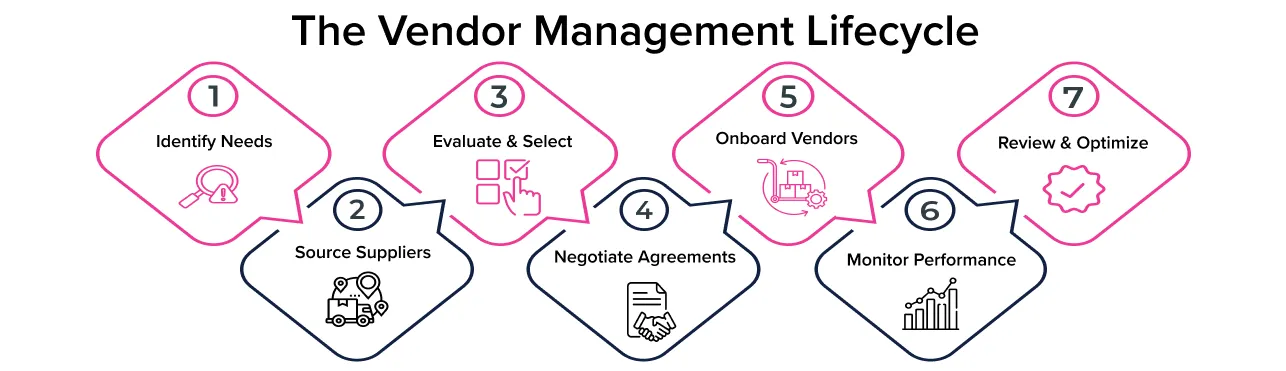
1. Identify F&B Needs by Category & Outlet
Every foodservice operation purchases a little differently. A coffee shop doesn’t buy like a banquet kitchen, and a hotel restaurant won’t have the same priorities as a pool bar or room service operation.
Before talking with distributors, map out what each outlet actually needs. Looking at products by category, location, and concept makes it easier to decide where to focus purchasing efforts and where opportunities to consolidate may exist.
2. Source & Shortlist Qualified Distributors
Finding a distributor isn’t just about who can offer the lowest price. Reliability matters just as much once the relationship is in place.
Start by identifying suppliers that carry the products you need, service your locations consistently, and have a reputation for dependable support. A smaller list of qualified distributors is much easier to evaluate than dozens of possibilities.
3. Evaluate, Score & Select (Quality, Service, Price)
Now comes the comparison. Some distributors may offer lower pricing, while others stand out because of service, fill rates, product quality, or delivery performance.
Using a consistent scorecard keeps everyone evaluating suppliers the same way. It also creates a documented selection process instead of relying on opinions alone.
4. Negotiate Contracts, Pricing Tiers & Rebates
Once you’ve chosen a supplier, it’s time to work through the details that will shape the partnership. Pricing is only one part of the conversation.
Contract terms, rebate opportunities, service expectations, delivery requirements, and performance standards should all be clearly defined before purchasing begins. That clarity usually prevents headaches later.
5. Onboard Distributors & Set Up Item Catalogs
Signing a contract is only the beginning. Suppliers still need to be integrated into your purchasing process so buyers know exactly what to order and what each item should cost.
That usually includes setting up item catalogs, documenting contracted pricing, and making sure ordering procedures are clear across every location.
6. Monitor Performance, Pricing & Invoices
Even strong supplier relationships need regular check-ins. Pricing can change, deliveries can slip, and invoice errors happen more often than most organizations realize.
Reviewing supplier performance on an ongoing basis helps identify issues early, before they begin affecting budgets or day-to-day operations.
7. Review, Renew, or Replace
Business needs change over time, and supplier relationships should be reviewed with the same mindset.
Look at service levels, pricing, contract performance, and overall value before making a renewal decision. Sometimes the existing partnership still makes sense. Other times, it’s worth exploring new options that better support current operational goals.
Core Components of an Effective F&B Vendor Management Program
Distributor Selection Criteria & Due Diligence
Choosing a distributor is about more than comparing prices. Before committing to a supplier, take the time to understand how they actually operate. Can they support your locations? Do they have a strong service history? Are they financially stable? A little extra homework up front can prevent a lot of headaches after the contract is signed.
Contracts, SLAs & Pricing Agreements
Good contracts eliminate uncertainty. Clearly defining pricing, delivery expectations, service levels, and escalation procedures gives both sides a common set of expectations. When problems happen—and eventually they will—everyone already knows how they’ll be handled.
Performance KPIs (Fill Rate, On-Time Delivery, Price Accuracy, Substitution Rate)
The easiest way to evaluate a supplier is to measure performance over time instead of relying on assumptions. A few consistent metrics can quickly show whether a vendor is meeting expectations or creating unnecessary operational challenges.
Track KPIs such as:
- Fill Rate: Are orders arriving complete?
- On-Time Delivery: Are deliveries showing up when expected?
- Price Accuracy: Do invoices match your contracted pricing?
- Substitution Rate: How often are requested items being replaced?
- Responsiveness: How quickly does the supplier resolve issues?
Food-Safety & Supplier-Compliance Documentation
Keeping supplier certifications current isn’t just something you do for audits. It protects your operation. Staying on top of food-safety documentation, insurance, certifications, and compliance records helps reduce risk and gives operators confidence in the products entering their kitchens.
Distributor Communication & Business-Review Cadence
The strongest supplier relationships aren’t built on occasional phone calls. They’re built through regular conversations about performance, challenges, and opportunities to improve. Scheduling recurring business reviews creates time to look at the data, discuss issues before they grow, and keep both organizations working toward the same goals.
Vendor Management Across Hospitality Segments
Restaurants
Restaurant operators are usually managing one thing above all else: consistency. That means keeping food costs in line, making sure pricing matches contracted rates, and knowing every location is receiving the products it expects. When vendor management slips, it doesn’t just create paperwork. It shows up on the plate and eventually in the guest experience.
Hotels & Lodging
Hotels have a much broader purchasing environment than most restaurants. One property may support multiple restaurants, banquet operations, room service, grab-and-go markets, bars, and guest amenities, each with different suppliers and ordering patterns. Keeping those vendors organized is just as important as negotiating competitive pricing.
Resorts & Country Clubs
Resorts and private clubs rarely operate with the same demand every week. Seasonal traffic, special events, weddings, golf tournaments, and member dining all create changing purchasing needs. Vendor relationships need to be flexible enough to keep up without sacrificing product quality or service.
Casinos & Gaming
Casino foodservice runs at a different scale. Multiple restaurants, buffets, bars, catering operations, and around-the-clock service all rely on dependable suppliers. Strong vendor management helps keep products flowing, pricing consistent, and service interruptions to a minimum.
Bars & Nightclubs
For bars and nightlife venues, beverage programs often drive purchasing decisions. Operators need reliable inventory, specialty suppliers, and consistent deliveries to keep popular products available during peak business hours. Even small supply issues can quickly affect revenue on busy nights.
How Technology Powers Modern Foodservice Vendor Management
Managing vendors gets a lot harder as an operation grows. What starts as a handful of supplier relationships can quickly turn into dozens of contracts, invoices, pricing updates, and product lists spread across multiple locations.
That’s where technology starts to make a real difference. Instead of piecing information together from spreadsheets and emails, procurement teams can keep vendor information in one place, monitor distributor performance, review purchasing activity, and confirm they’re paying the prices they negotiated.
Having everything in one system also makes it much easier to spot trends that would otherwise be easy to miss. Maybe one distributor has a growing substitution rate. Maybe invoice prices have started creeping above contract pricing. Those issues are much easier to catch when the data is already organized.
For organizations buying across multiple distributors or locations, better visibility leads to better decisions. Teams spend less time searching for information and more time improving vendor performance and controlling food costs.
Foodservice Vendor Management Best Practices for Hospitality Industry
Build a Single Source of Truth for F&B Spend
When purchasing data lives in different systems, it’s difficult to understand where money is actually being spent. Bringing everything together gives procurement teams a clearer picture of spending patterns, supplier performance, and opportunities to reduce costs.
Standardize Distributor Onboarding & Item-Master Data
Accurate records make everyday purchasing easier. Standardizing supplier information and item data helps reduce mistakes, improve reporting, and keep everyone working from the same information.
Run Quarterly Distributor Business Reviews
The best supplier relationships don’t happen by accident. Setting aside time to review performance, discuss recurring issues, and look for ways to improve keeps both sides aligned before small problems become bigger ones.
Diversify Strategically
There’s nothing wrong with having a preferred distributor, but depending too heavily on a single supplier can create unnecessary risk. Maintaining relationships with additional suppliers gives operators more flexibility when product availability, pricing, or service levels change.
Final Thoughts
Vendor management touches much more than purchasing. It influences food costs, operational consistency, supplier accountability, and ultimately the guest experience.
As hospitality operations become more complex, having clear visibility into supplier performance, pricing, and purchasing activity makes it easier to make confident decisions. With the right processes and the right technology, procurement teams can spend less time reacting to problems and more time building a stronger, more reliable supply chain.
Frequently Asked Questions
What are the 4 stages of foodservice vendor management?
Most vendor management programs include supplier selection, onboarding, performance management, and renewal or replacement. Larger hospitality organizations often expand these into more detailed lifecycle stages.
What is the difference between a foodservice vendor and a distributor?
A vendor is any company that supplies products or services to an operator. A distributor specifically purchases products from manufacturers and delivers them to foodservice operators.
Why is vendor management important in hospitality F&B?
Every order, delivery, and invoice depends on a supplier doing what they said they would do. Good vendor management helps operators catch problems early, keep purchasing running smoothly, and avoid the disruptions that can affect both the kitchen and the guest experience.
What KPIs should F&B operators track for distributors?
There’s no single metric that tells the whole story, so it’s important to look at distributor performance from a few different angles. Many operators monitor fill rate, on-time delivery, invoice accuracy, contract pricing, substitution rate, and how quickly suppliers respond when problems come up. Together, those numbers paint a much clearer picture of supplier performance over time.
How do hospitality operators capture rebates from foodservice distributors?
Most rebates come from manufacturer programs or purchasing agreements, but earning them is only part of the process. Operators also need to verify that purchases qualify, match transactions to contract terms, and keep accurate records throughout the year. Without good visibility into purchasing activity, it’s easy for rebate dollars to slip through the cracks.